

Summit Sunrise
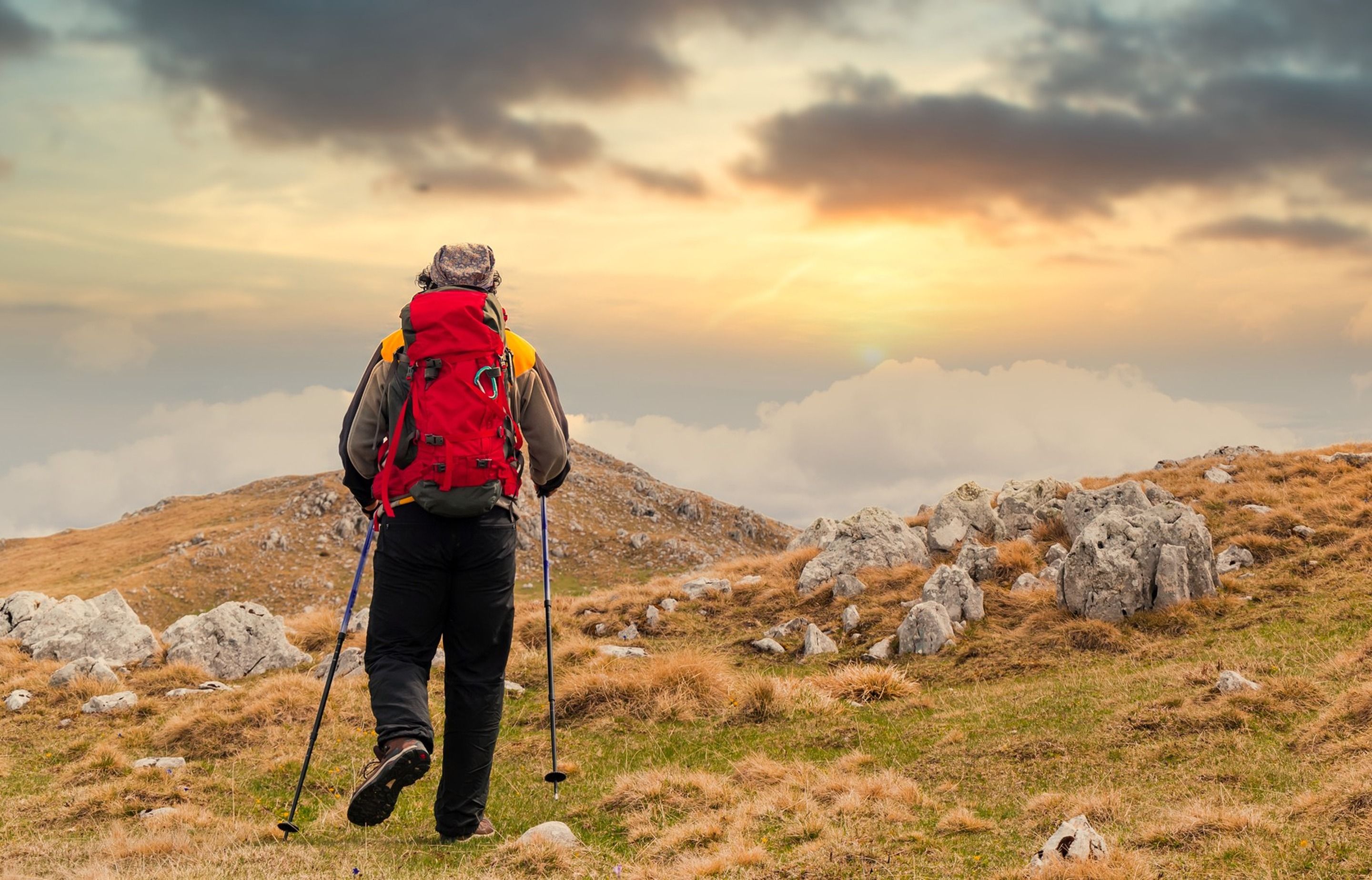
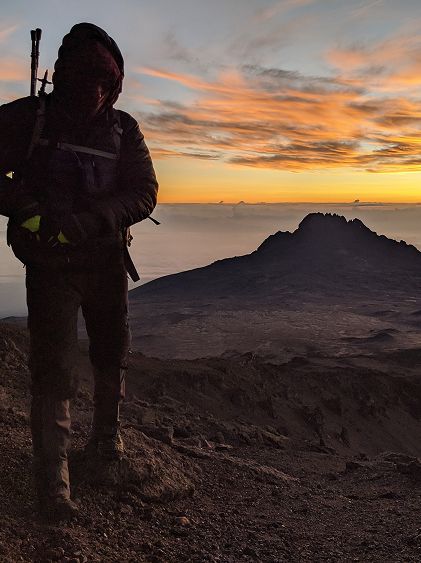
Witness the first light over Africa from Uhuru Peak or Mount Meru's summit after an unforgettable overnight ascent.
Loading…
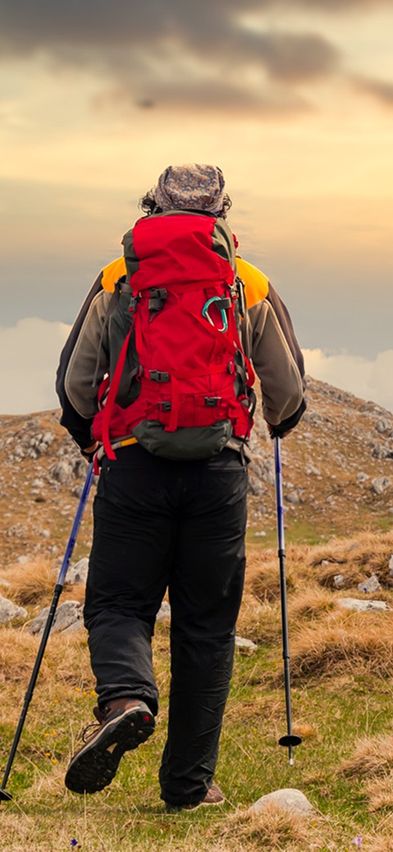
Experience East Africa’s most iconic mountain adventures with expertly guided treks on Mount Kilimanjaro and Mount Meru, combining breathtaking landscapes, rewarding summit experiences, and unforgettable wilderness encounters.
Explore East Africa’s most iconic trekking and hiking landscapes, from Africa’s highest peak to a wildlife-rich volcanic mountain, each offering a unique climbing experience and spectacular scenery.
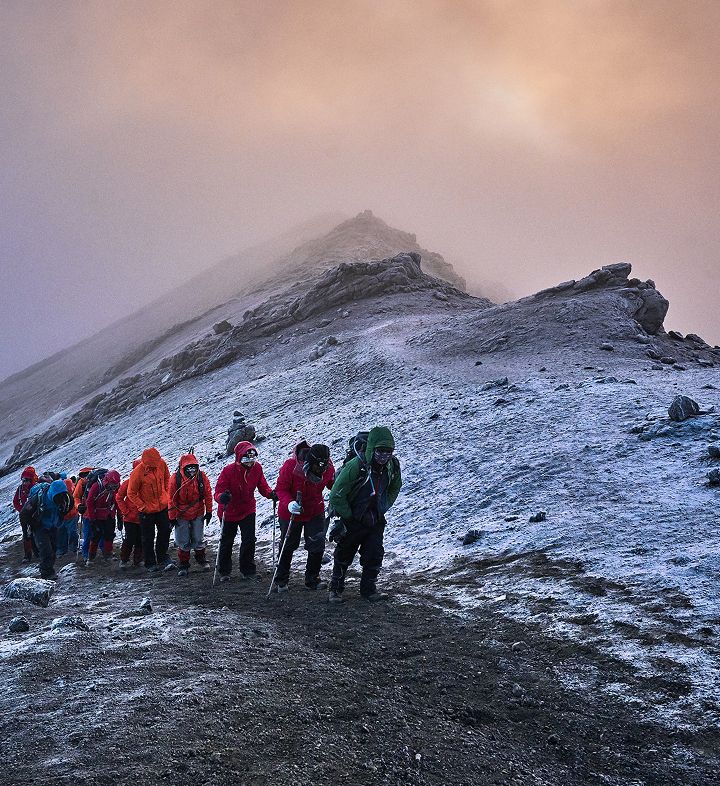
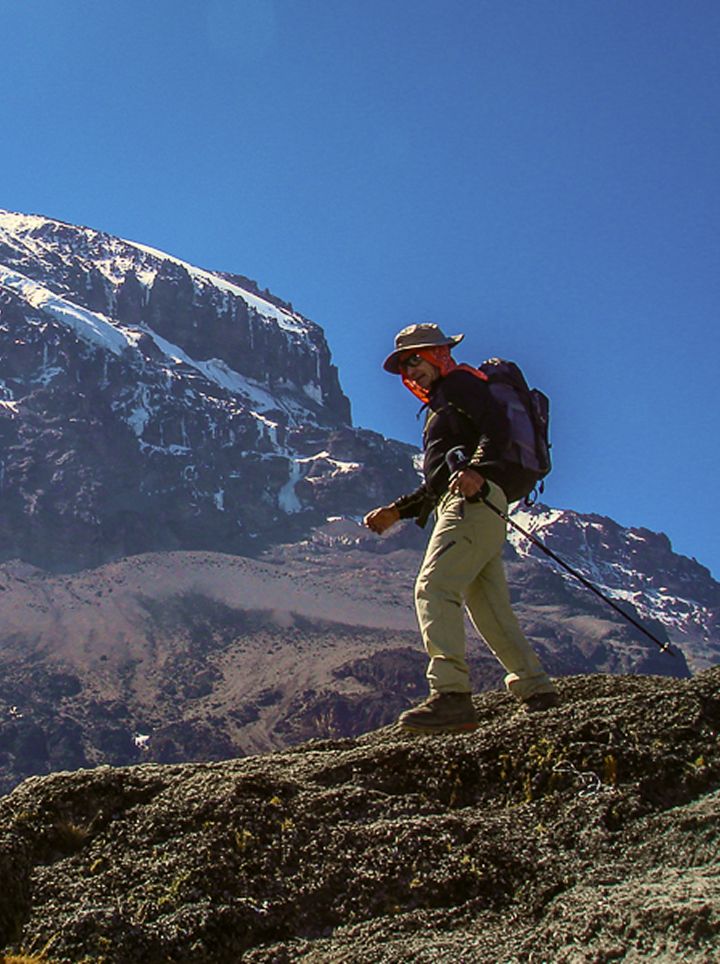
The highest peak in Africa and the fourth highest of the “Seven Summits” in the world, standing at 5,895 meters (19,340 feet), Mount Kilimanjaro is renowned for its diverse landscapes, spectacular scenery, and unforgettable summit experience.
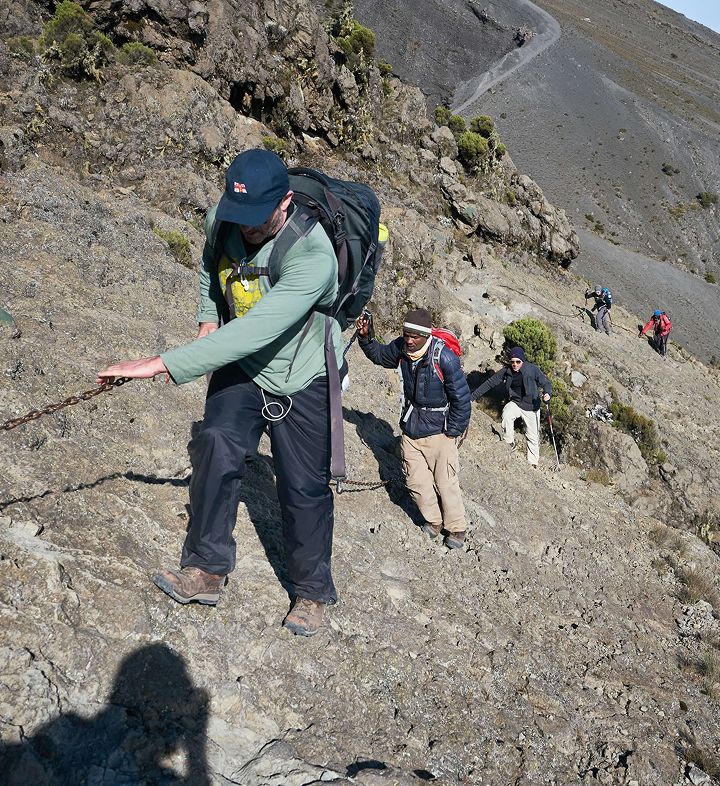
The fifth highest mountain in Africa and Tanzania's second highest peak, standing at 4,562 meters (14,968 feet), Mount Meru is a dormant stratovolcano offering rewarding wilderness trekking, abundant wildlife, and spectacular views.
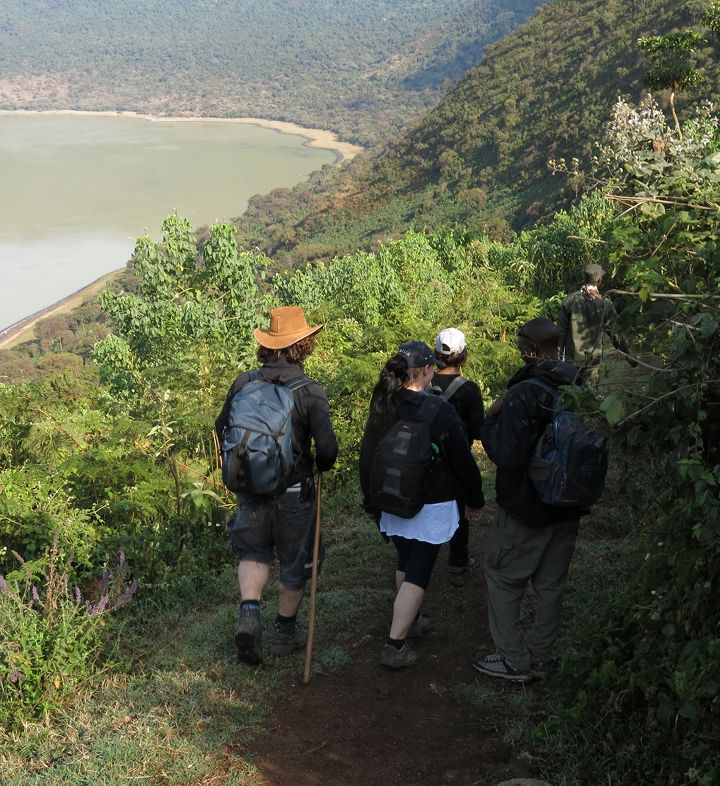
One of the world's largest tectonic formations, stretching over 4,000 miles (6,400 km) across Africa, the Great Rift Valley offers dramatic escarpments, volcanic landscapes, scenic hiking trails, and breathtaking views through the heart of East Africa.
Every climb reveals changing landscapes, remarkable wildlife, and unforgettable moments that make East Africa's mountains as rewarding as the summit itself.
Witness the first light over Africa from Uhuru Peak or Mount Meru's summit after an unforgettable overnight ascent.
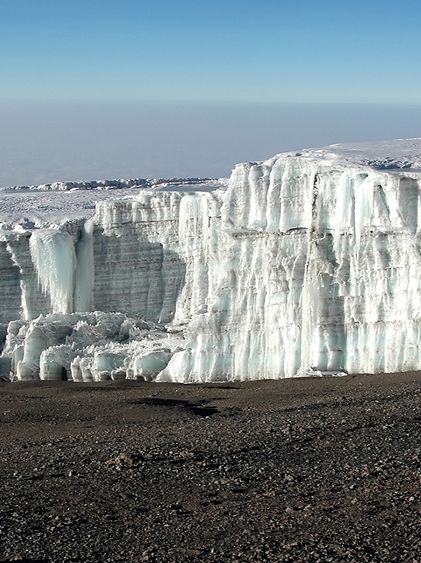
Experience Kilimanjaro's iconic glaciers and permanent ice fields standing above the African plains.
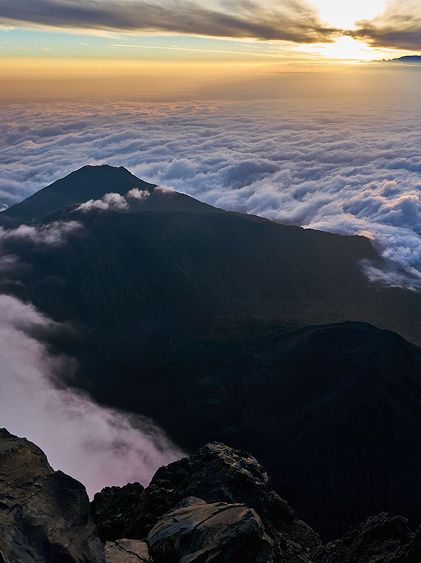
Watch dramatic cloud inversions reveal endless panoramas stretching across Tanzania and neighboring landscapes.
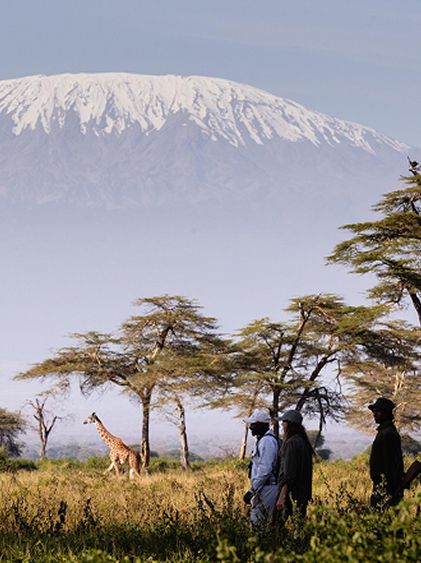
Spot giraffes, buffalo, colobus monkeys, and diverse birdlife while trekking through Mount Meru's lower slopes.
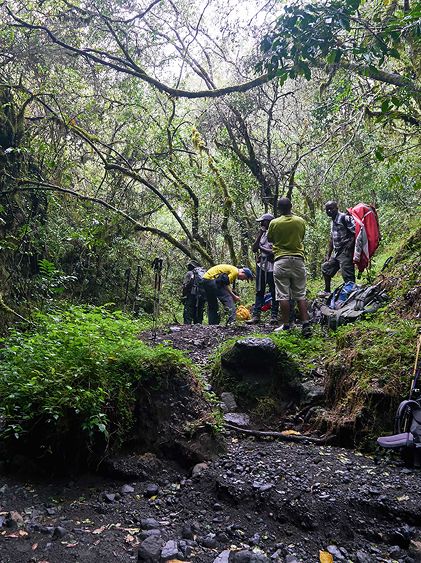
Walk beneath ancient forests filled with waterfalls, giant trees, and rich biodiversity.
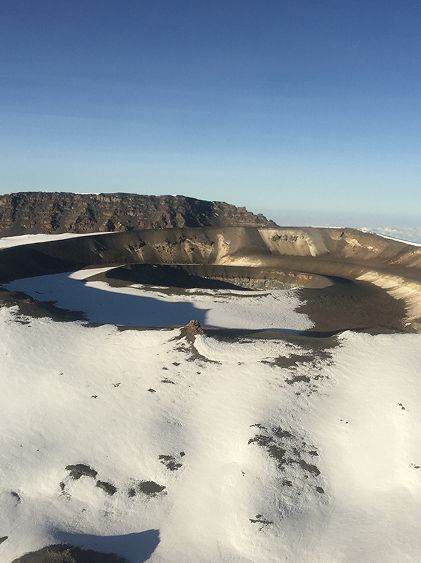
Cross alpine deserts, volcanic ridges, lava formations, and dramatic crater scenery unique to East Africa.

Everything you need to know about the best seasons, weather conditions, and trek difficulty before planning your Mount Kilimanjaro or Mount Meru adventure.

June – October and January – March (offer the most favorable trekking conditions), with clearer skies, better visibility, and drier trails.

Mountain conditions vary significantly by altitude. Climbers can experience warm tropical temperatures at lower elevations and near-freezing conditions at the summit.

Both mountains require good physical preparation and endurance. Mount Meru is ideal for acclimatization and moderate trekking, while Kilimanjaro presents a more demanding high-altitude challenge.
Practical guidance to help you prepare for a well-paced, comfortable, and rewarding mountain experience.
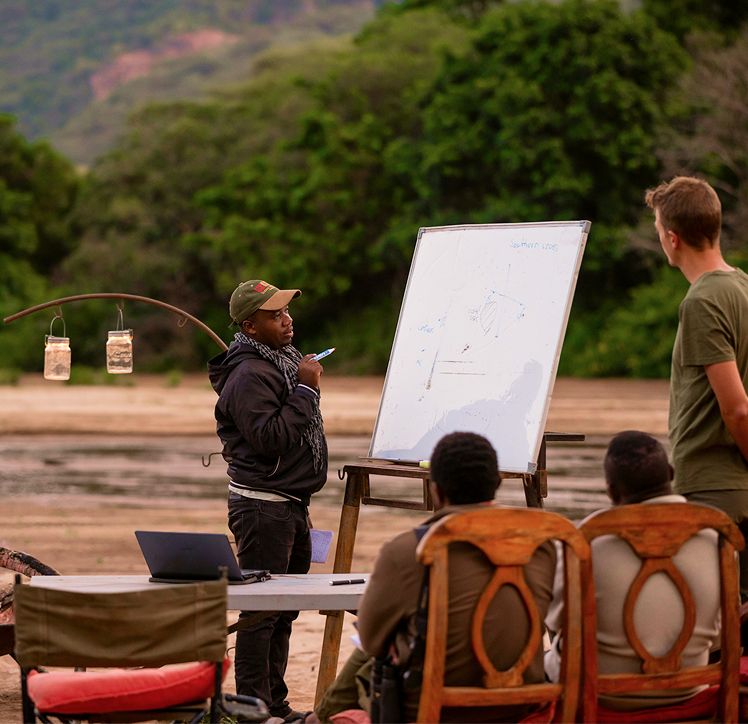
Review your route, itinerary, and expected daily trekking conditions before departure
Allow enough time for rest, preparation, and altitude adjustment
Share relevant dietary, mobility, or personal requirements with the team in advance
Follow your guide's recommendations throughout the climb
Keep your daily pace steady and conserve energy for higher elevations
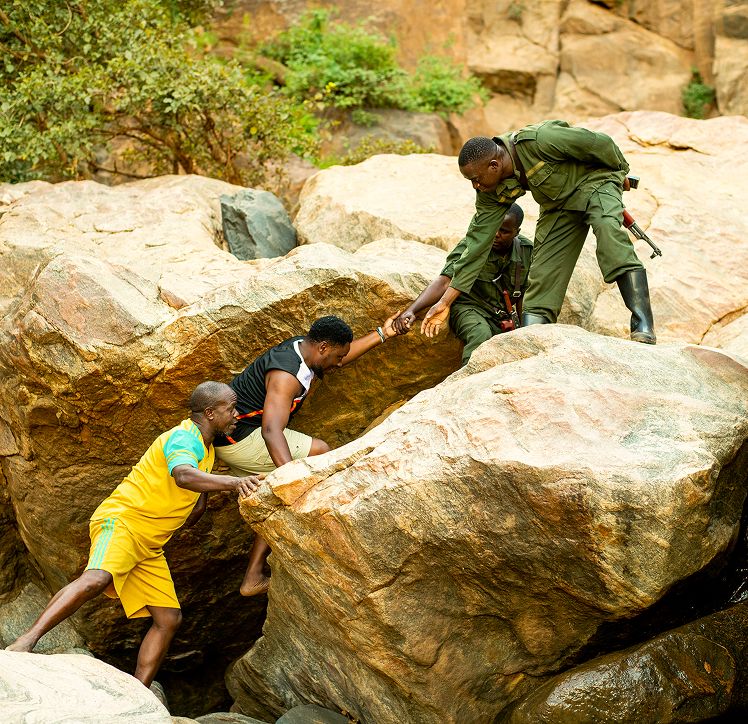
Start building endurance several weeks before your trek
Include regular uphill walking, hiking, cycling, or similar aerobic activities
Strengthen your legs and core for sustained days on varied terrain
Practice longer walks to become comfortable spending several hours on your feet
Gradually increase training intensity while allowing adequate recovery between sessions
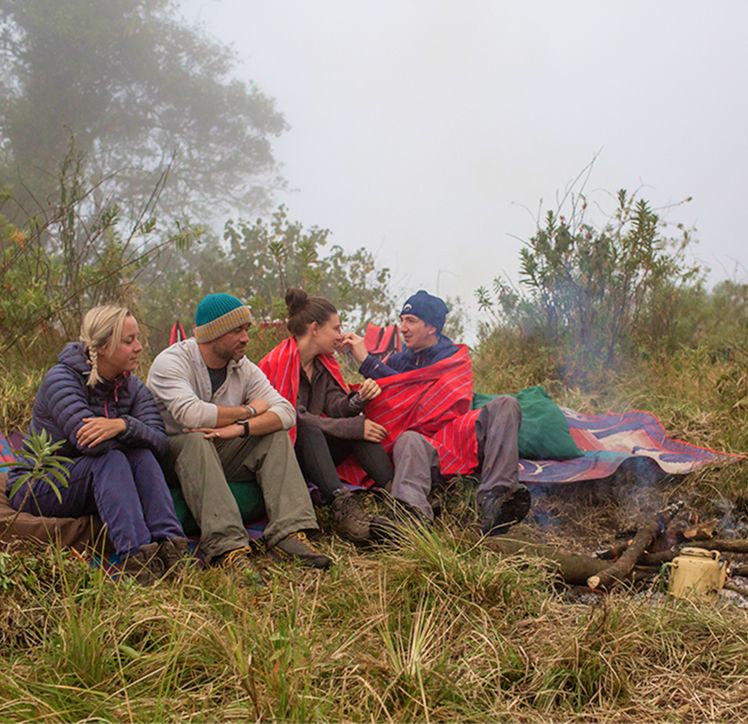
Choose an itinerary that allows sufficient time to adjust to altitude
Ascend gradually rather than rushing to higher elevations
Take planned rest periods as part of your trekking schedule
Stay hydrated and maintain regular meals throughout the climb
Tell your guide promptly if you experience unusual symptoms or feel unwell at altitude
A successful climb starts with the right preparation. We recommend bringing the following essentials for a safe and comfortable trek on Mount Kilimanjaro or Mount Meru.
General Instructions